Liaoning Xiangyi Steel Co., Ltd.

PU Sandwich Panels: Types, Features, Benefits, and Applications
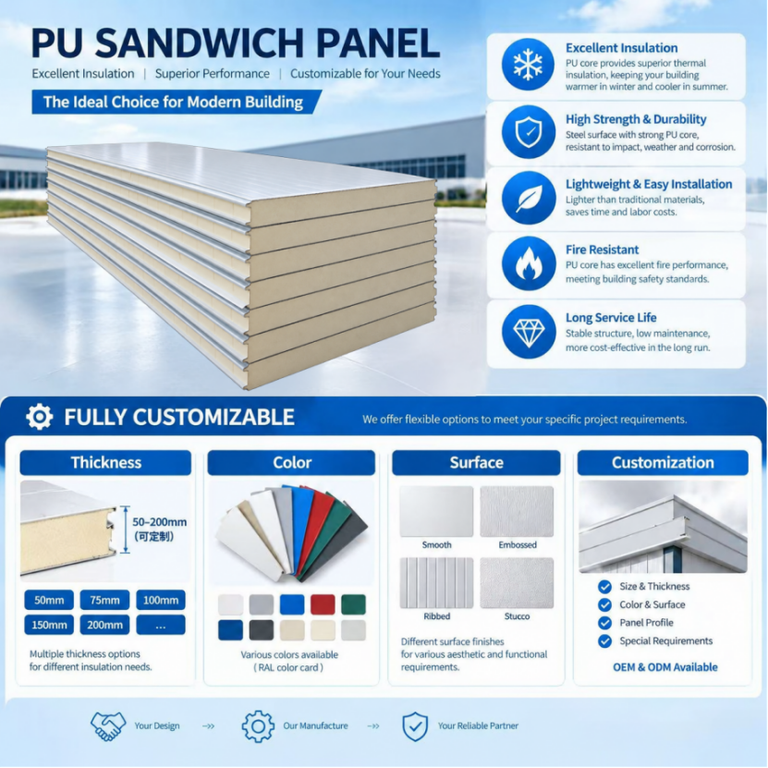
Polyurethane (PU) sandwich panels are an advanced, energy-efficient building envelope solution that combines structural strength, thermal insulation, fire performance, and water resistance in a single system. With advantages such as easy installation, shorter construction times, and excellent overall cost-effectiveness, they are widely used in modern industrial and commercial buildings.
To meet diverse construction requirements, PU sandwich panels are available in a variety of specialized types. This article provides a comprehensive overview of PU sandwich panels by application, exploring their key features, suitable environments, and practical benefits to help builders, contractors, and project owners select the right solutions for industrial facilities, warehouses, cold storage, and cleanroom projects.
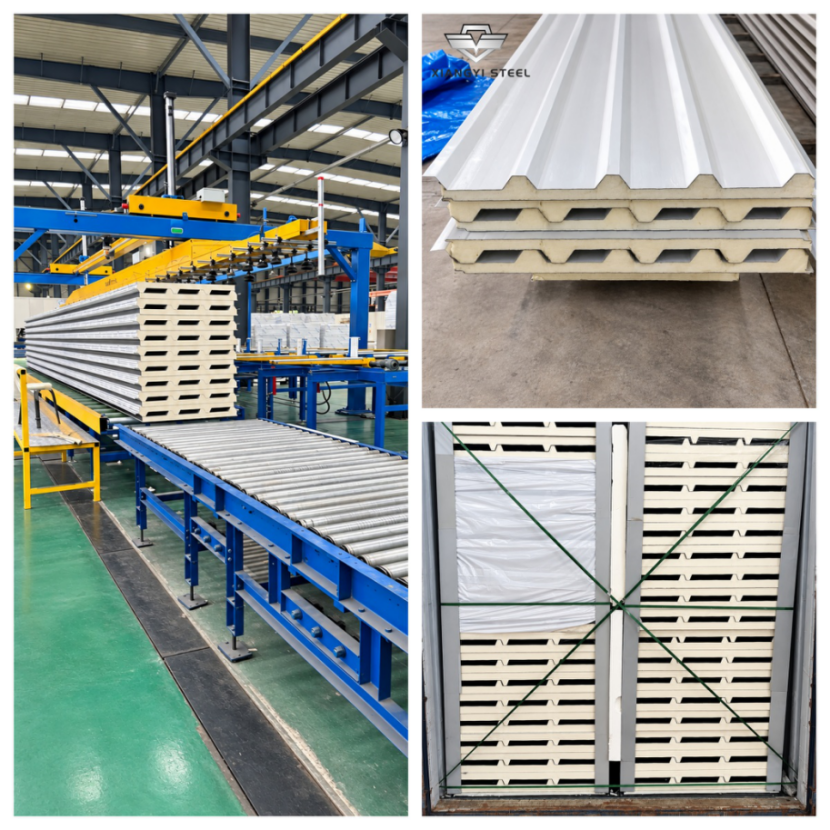
01 Polyurethane Roof Sandwich Panel (Specialized Roof Cladding Panel)
1. Applications
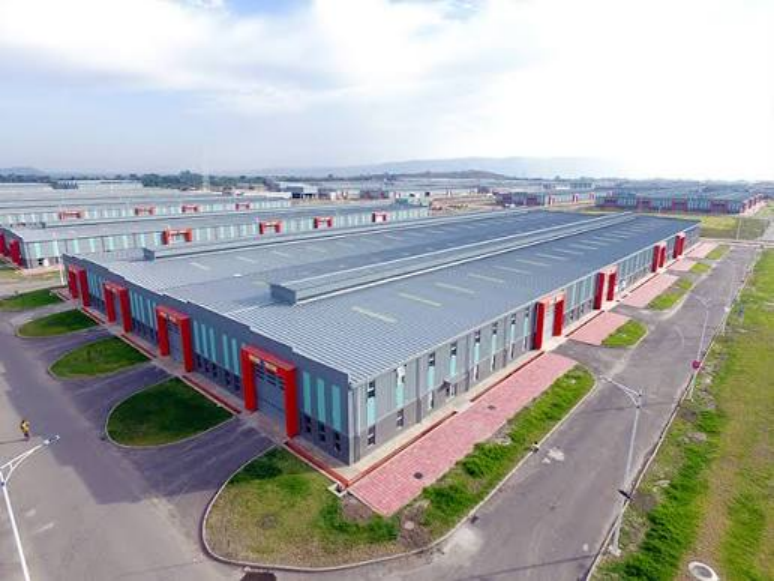
Suitable for a wide range of industrial and commercial buildings with a roof slope of approximately 3%. Widely used in roofing systems for large-span structures, including industrial factories, warehouses, logistics centers, sports facilities, exhibition halls, and railway station waiting halls.
2. Key Features & Advantages
– Excellent Self-Cleaning Performance: The panel surfaces feature self-cleaning properties that effectively reduce dust accumulation, keeping building roofs clean and attractive over time.
– Outstanding Load-Bearing Capacity: The high-rib profile significantly enhances the load-bearing capacity of the roof panels, making them suitable for large-span building applications.
– Efficient and Reliable Drainage: Designed for roof slopes as low as 3%, ensuring smooth and efficient rainwater drainage.
– Superior Waterproofing System: Featuring concealed fasteners and a specially designed waterproof groove, combined with hydrodynamically engineered overlapping joints, the system effectively prevents rainwater penetration and minimizes thermal bridging. It also provides excellent airtightness and resistance to capillary water infiltration.
02 Polyurethane Wall Panels (Insulated Building Wall Panels)
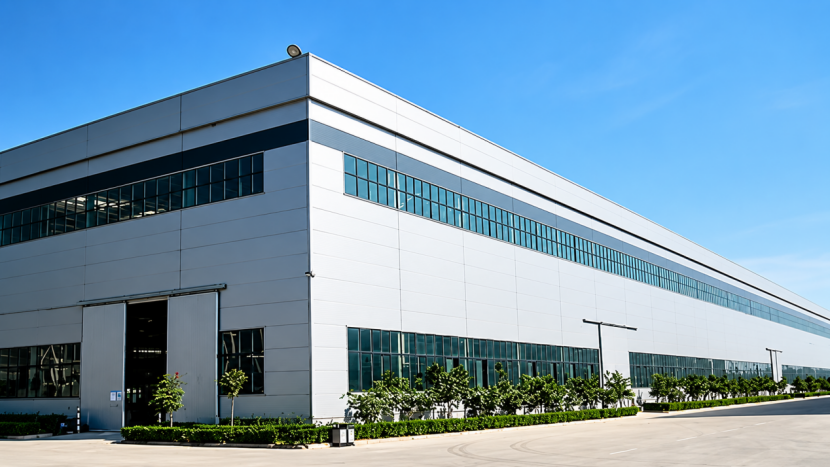
1. Applications
Widely used in exterior wall cladding systems for industrial facilities, warehouses, public buildings, residential buildings, villas, and other types of construction, as well as interior partition walls in high-quality buildings.
2. Key Features & Advantages
– Excellent Thermal and Acoustic Insulation: Provides superior thermal insulation, heat resistance, and soundproofing, significantly reducing building energy consumption.
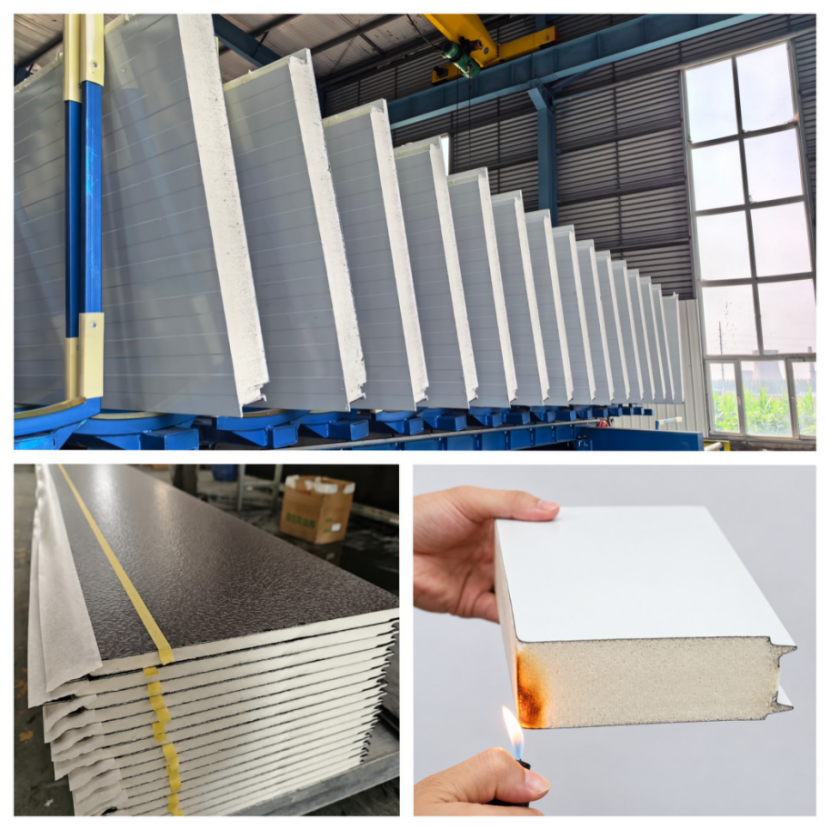
– High Structural Strength: The upper and lower metal facings work together with the polyurethane core to provide excellent strength and rigidity.
– Modern and Attractive Appearance: Concealed fasteners eliminate exposed screws, creating clean, seamless exterior lines. The smooth and flat interior surface enhances the overall appearance of indoor spaces.
– Customizable Colors and Finishes: A wide range of colors and profiles is available to meet diverse architectural design requirements.
– Fast and Efficient Installation: Easy installation significantly shortens construction time and improves project efficiency.
– Safety and Reliability: The polyurethane core features flame-retardant properties and is designed to meet applicable fire safety requirements.
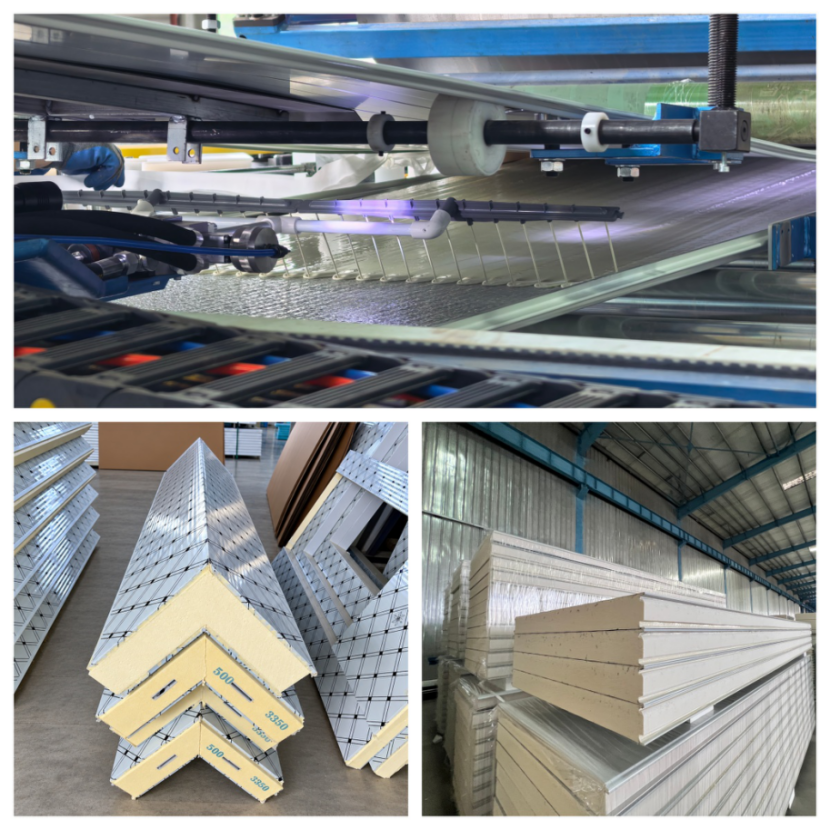
03 PU Cold Storage Panels (Insulated Panels for Low-Temperature Cold Chain Applicati
1. Applications
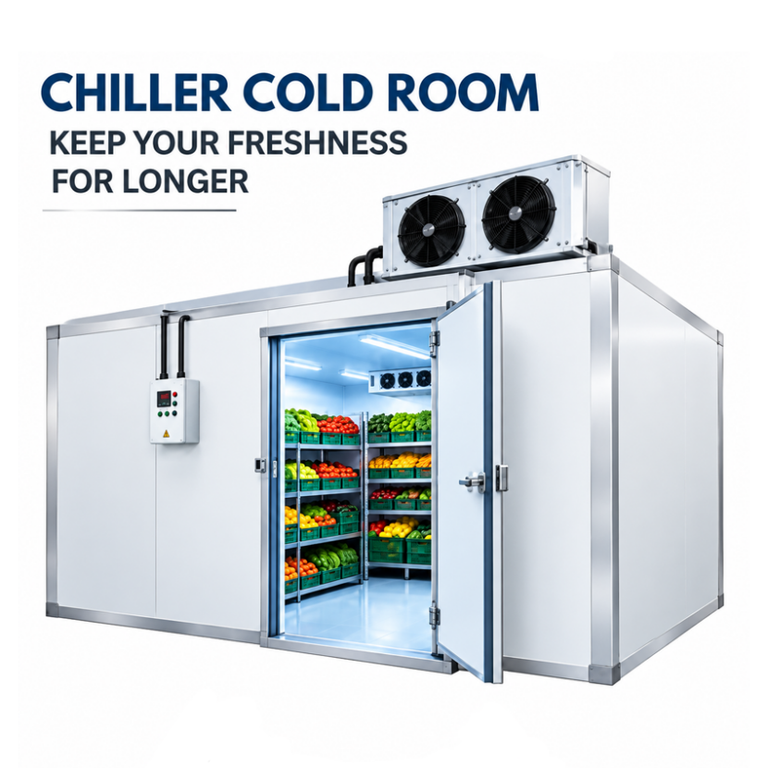
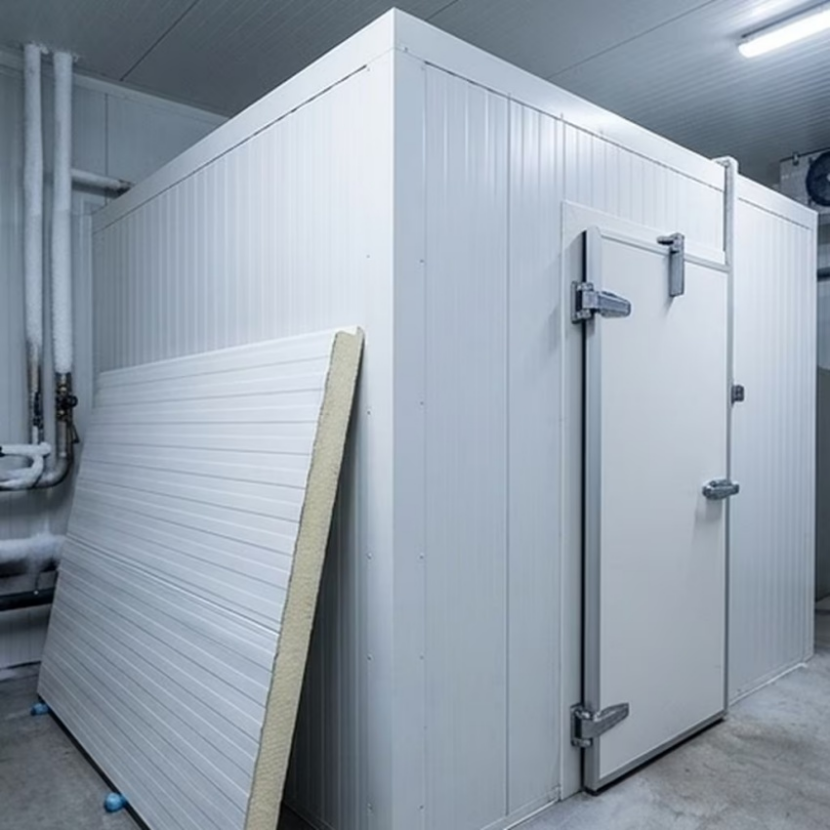
Specifically designed for cold chain logistics, food processing, pharmaceutical storage, and other temperature-controlled facilities with strict insulation requirements. Based on storage temperature and intended use, cold storage applications can be divided into three main categories:
✅ Fresh-Keeping Cold Rooms (Approx. 0°C)
Fresh-keeping cold rooms are primarily designed to preserve product quality and freshness. They are widely used for fruits, vegetables, and other agricultural products, ensuring that goods maintain their freshly harvested taste and nutritional value during storage.
For these applications, 100 mm thick insulated panels are typically recommended to provide effective thermal insulation while optimizing construction costs and space utilization.
✅ Refrigerated Cold Rooms (Approx. -18°C)
Refrigerated cold rooms are widely used for the temperature-controlled storage of food, dairy products, meat, seafood, poultry, fruits, vegetables, beverages, flowers, tea, pharmaceuticals, chemical raw materials, and electronic instruments.
-18°C is an internationally recognized storage temperature for many frozen food products.
For these applications, 150 mm thick insulated panels are recommended to maintain stable internal temperatures, minimize external heat transfer, and provide a reliable low-temperature storage environment for various products.
✅ Deep-Freezing Cold Rooms (Approx. -38°C)
Deep-freezing cold rooms are mainly used for deep-freezing processes and long-term low-temperature storage in the food, pharmaceutical, and industrial sectors.
Artificial refrigeration systems continuously maintain extremely low temperatures inside the facility.
To address the increased thermal load caused by significant temperature differences, 200 mm thick insulated panels are generally recommended.
These panels help significantly reduce cooling loss, support efficient refrigeration system operation, and provide a reliable low-temperature environment for valuable stored products.
04. PU Cleanroom Panels (Clean Panels)
1. Applications
Widely used in cleanroom projects requiring strict indoor environmental cleanliness, including electronics manufacturing, pharmaceutical production, aerospace, precision instruments, food processing, and sterile operating rooms.
2. Advantages & Features
Dust-Resistant and Easy to Clean: The smooth surface minimizes dust accumulation, reduces seams, and facilitates cleaning and maintenance.
Anti-Static and Antibacterial: Offers specialized dust-resistant and anti-static properties, with selected products meeting antibacterial requirements.
Flexible Installation and Disassembly: Easy to assemble and dismantle, making it suitable for interior partition modifications in factories with moderate cleanliness requirements.
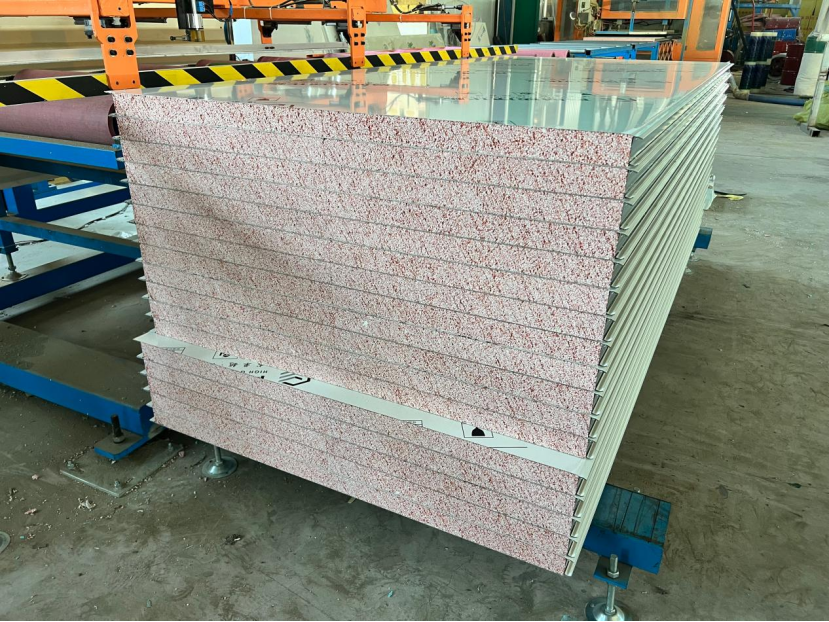
Polyurethane (PU) sandwich panels offer excellent thermal insulation, fire safety, lightweight construction, and high strength. Their applications have expanded beyond traditional industrial buildings to emerging sectors such as cold chain logistics and cleanroom facilities.
Liaoning Xiangyi Steel Co., Ltd. remains committed to technology-driven innovation, providing efficient, energy-saving, and aesthetically appealing one-stop building envelope solutions for a wide range of construction projects.